Gantry Crane Guide: Types, Specs & Pricing (2026)
Portable aluminum gantries for light maintenance, 100-ton steel giants for container yards — here is what you need to know before buying one.
A gantry crane is a self-supporting lifting system. It has legs that sit directly on ground rails or rubber tires — no building runway needed. Unlike an overhead bridge crane that requires permanent steel beams mounted to the building structure, a gantry crane can be set up in an outdoor yard, a temporary construction site, or any open area with a solid foundation.
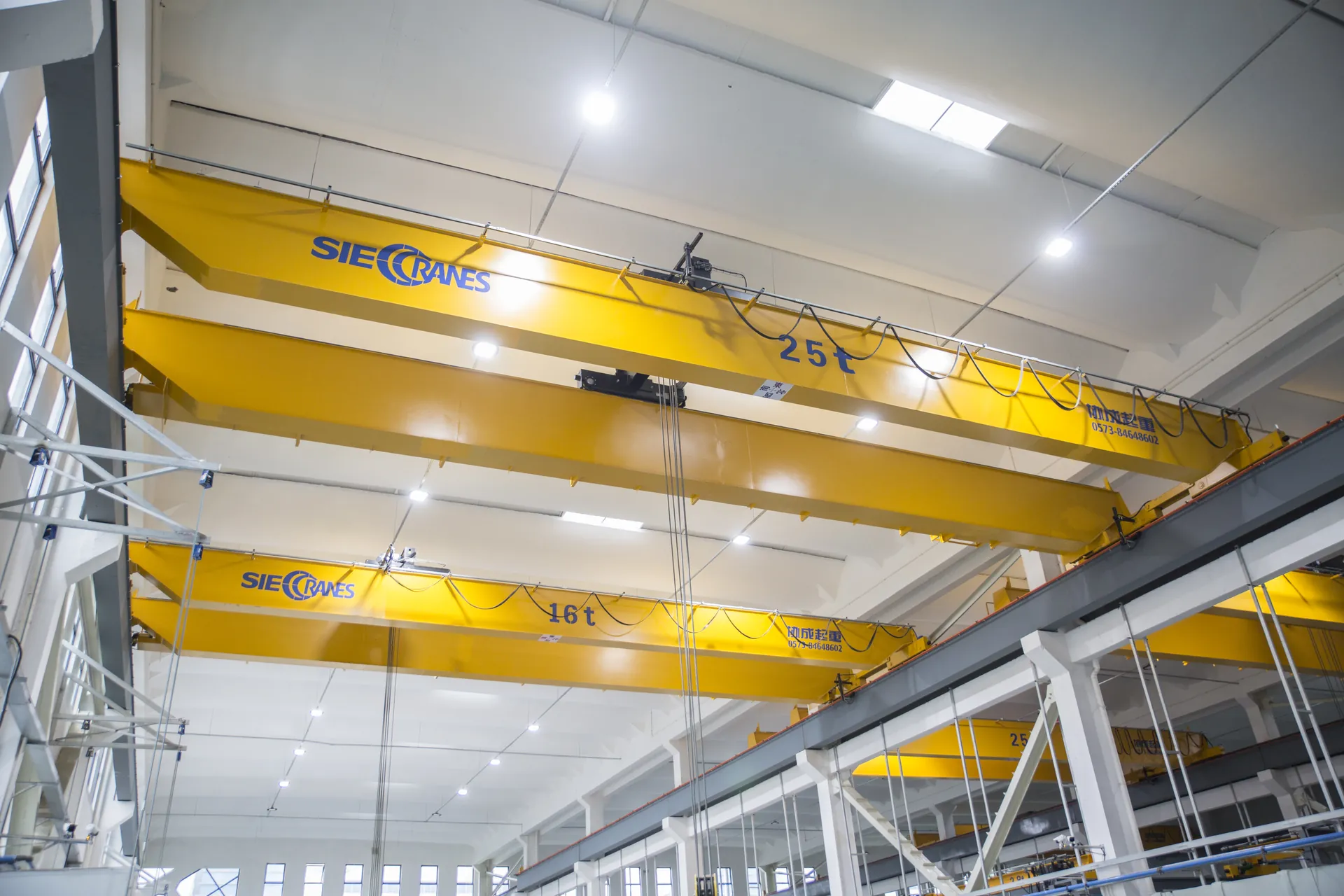
SIEC Cranes manufactures both full-size steel gantry cranes (5–100+ ton) and lightweight portable aluminum gantries (0.25–2 ton). All units are built to European FEM standards with CE certification. I have seen a lot of buyers confuse gantry cranes with overhead cranes, and honestly the distinction matters more than most people think — your facility layout determines which one actually works.
Not all gantry cranes are built the same. Four configurations cover most of what you will find on the market:
| Type | Capacity | Best For | Est. Price (USD) |
|---|---|---|---|
| Full Gantry Crane | 5 – 100+ ton | Outdoor yards, ports, steel stockyards | $8,000 – $200,000+ |
| Semi-Gantry Crane | 3 – 50 ton | Workshops with one side wall runway | $6,000 – $80,000 |
| Portable Aluminum Gantry | 0.25 – 2 ton | Maintenance, workshops, light assembly | $800 – $3,000 |
| Rubber-Tyred Gantry (RTG) | 10 – 60 ton | Container terminals, flexible yard layouts | $30,000 – $150,000 |
This is probably the most common question I get from buyers. Side by side:
| Factor | Gantry Crane | Overhead (Bridge) Crane |
|---|---|---|
| Support Structure | Self-supporting (own legs) | Requires building runway beams |
| Best Location | Outdoor yards, open areas | Indoor with strong roof structure |
| Capacity Range | 0.25 – 100+ ton | 1 – 500+ ton |
| Span Limit | Up to 40 m | Up to 35 m (typical) |
| Installation Cost | Lower (no building prep) | Higher (runway + building reinforcement) |
| Mobility | Can be relocated (some types) | Fixed to building structure |
| Weather Suitability | Weather-resistant, outdoor rated | Indoor only (typically) |
If you have an existing building with strong steel columns, an overhead crane is usually the better choice. If you are working outdoors, in a new facility, or on a temporary site, a gantry crane wins every time. Simple as that.
Typical specs for a full-size steel gantry crane from SIEC:
For lightweight applications, the portable aluminum gantry offers a much smaller footprint: 0.25–2 ton capacity, 2–5 m span, manual caster wheels, and a chain hoist. One person can assemble and move it. We have had customers in the UAE use these for pump maintenance in oil depots — they just roll it between workstations.
Gantry cranes show up in more places than you might think. The industries with the most demand:
| Industry | Typical Application | Recommended Type |
|---|---|---|
| Ports & Terminals | Container handling, bulk cargo | RTG or full gantry (40–60 ton) |
| Precast Concrete | Wall panels, floor slabs, beams | Full gantry (10–32 ton) |
| Steel Stockyards | Coil, plate, bar storage | Full gantry (20–50 ton) |
| Scrap & Recycling | Scrap metal, bale stacking | Full gantry (10–20 ton) |
| Construction Sites | Equipment assembly, material handling | Semi-gantry or portable (3–10 ton) |
| Maintenance Depots | Pump, motor, equipment repair | Portable aluminum (0.25–2 ton) |
Pricing varies a lot depending on capacity, span, and features. Rough figures for standard configurations:
These prices exclude installation, freight, and any site preparation like concrete foundations or rail tracks. For a precise quote, you will want to share your yard layout and lifting needs with the manufacturer.
A 5-step checklist I put together for buyers:
A quick word on duty cycles. Not all gantry cranes are designed for continuous use. If you are lifting 50 loads per hour, you need an A7 or A8 duty rated crane. For occasional use (5–10 lifts per day), A5 is more than enough. I have seen facilities overspend on heavy-duty cranes they did not need just as often as I have seen them underspec and burn through hoists.
SIEC Cranes (ZHE JIANG XIECHENG CRANE MACHINERY CO., LTD.) has been manufacturing overhead lifting equipment since 2010. Our gantry cranes are built to European FEM standards with full CE certification. Every unit comes with:
We ship to over 30 countries across the Middle East, Southeast Asia, Africa, and South America. Past projects include gantry cranes for steel stockyards in Saudi Arabia, precast concrete plants in Vietnam, and container yards in Nigeria.
Share your lifting requirements and yard layout. Our engineers will recommend the right configuration and provide a detailed quote.
Sources: SIEC Cranes product specifications. Industry pricing estimates based on standard configurations as of June 2026. FEM 9.511 and ISO 4301 for crane duty classification. Actual pricing depends on custom requirements, freight, and installation.